In February I’m starting a painting project that I hope will help me unpack my sense of identity as a migrant to Australia from Scotland. Below is my project proposal. I’m a big fan of simple words to articulate difficult concepts. I’ve done my best, but apologies if some of the language is more flowery than I usually use on my web site. I need a steering document to stay on track over the coming year and this is it.
On a practical note, I’ll be shutting down my social media until March. The schedule of posting and responding, and the high frequency dopamine hits don’t fit well with the slow, focused, “Nan-style” experience of place.
I’m looking forward to it, and I’m deep into the preparation stage. This is a good place to thank Larissa and the team at Mont Adventure Equipment for their support and faith in the project.
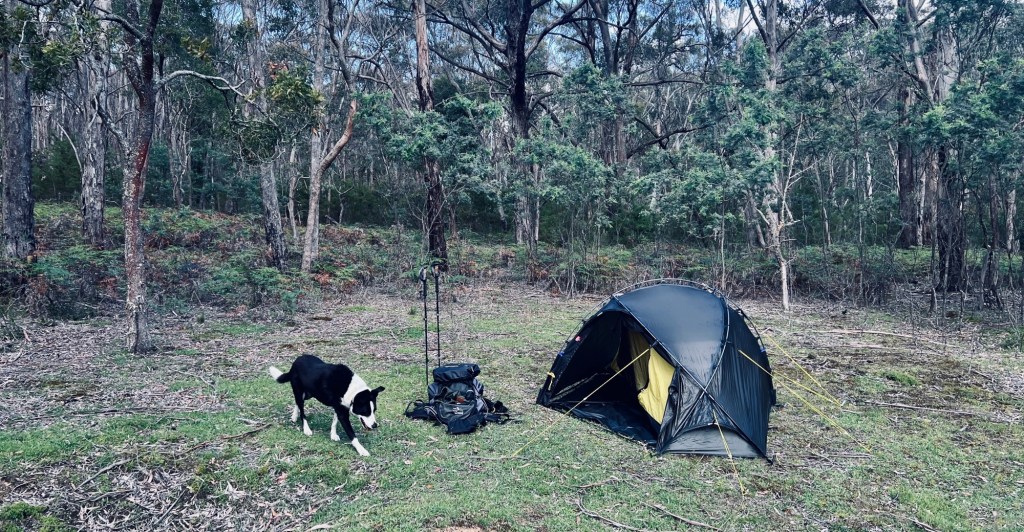
This year-long project comprises a two-month period of immersive painting and solo wild camping across two landscapes that have shaped my identity: one month in the Scottish Highlands where I grew up; and one month in the Australian outback not far from where I now live. From the work made through slow engagement with these landscapes, I will create a series of paintings that interrogate themes of identity and belonging.
My work has always been about the memory of landscape. Central to this project is the Gaelic concept of cianalas – a form of nostalgia or homesickness that is about place, time, memory, and a sense of irretrievable loss. As a migrant living in Australia, I experience cianalas as a more or less constant undercurrent: a longing for the Scottish Highlands that I know is shaped as much by imagination and memory as by physical geography. This project will explore how that longing shifts when I return to the Highlands, and how it reconfigures itself when experienced from within the radically different environment of the Australian outback.
Scotland represents a formative landscape for me culturally, linguistically and emotionally. My memories are shaped largely by the winters there, so I will spend February, the depths of northern hemisphere winter, camping and painting around Glen Coe and Rannoch Moor, working directly from observation. Living outdoors, and painting en plein air will allow me to respond intuitively to changing light and wild weather, while also confronting the dissonance between remembered landscapes and lived, present experience. After 20 years living in Australia and after a brief visit to Scotland two years ago, I am particularly interested in how familiarity can become estranged over time, and how returning “home” can increase rather than resolve those feelings of displacement.
The Australian outback, by contrast, is a landscape I have come to know as an adult immigrant. Vast, ancient, and often perceived through colonial narratives as a hostile, unproductive wilderness, it presents – not exactly an opposite – but a complex counterpoint to the Highlands. During my month in the outback, I will again camp and paint on site, allowing extended time for observation and reflection. Here, I will consider how belonging can be constructed rather than inherited, and how a personal sense of place can emerge regardless of ancestral ties, enriching my understanding of what “home” can mean.
By working in these two locations consecutively, I expect to develop a dialogue between the landscapes rather than treating them as isolated subjects. The paintings will not aim for topographical accuracy, but instead will explore emotional and psychological resonances: how land holds memory, how absence is felt through presence, and how identity may be shaped between places rather than anchored to a single one.
Ultimately, this deeply personal project seeks to understand and articulate my migrant experience – one that is marked not by resolution, but by an ongoing negotiation – with the hope that it will resonate with others in a similar situation.Through painting and sustained immersion in the landscape, I aim to give visual form to cianalas – a longing that is painful and yet one I would not be without as it energises much of my work – and construct a way of belonging that exists somewhere in the space between here and there.

 art about place